
Author: unknown
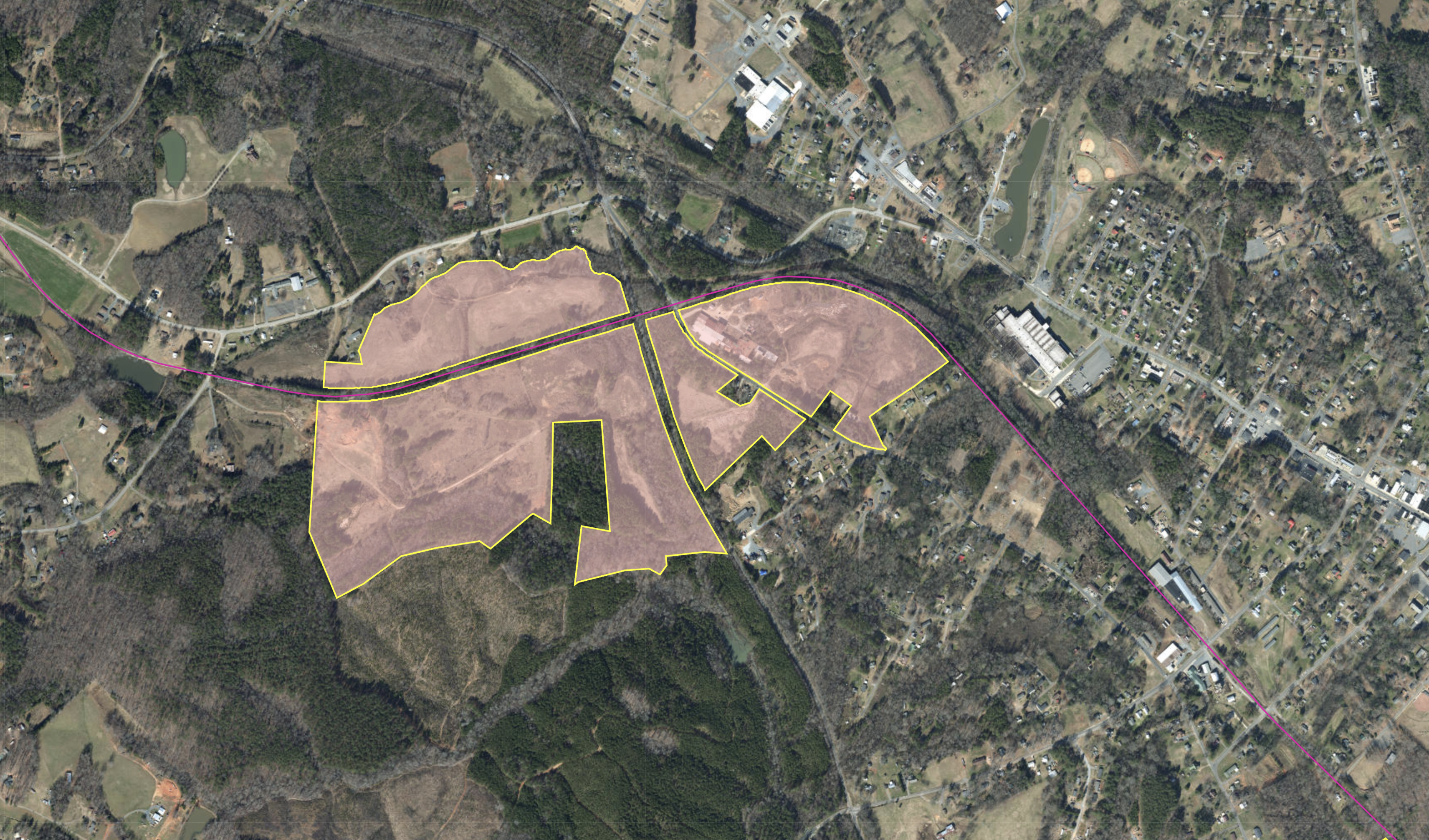
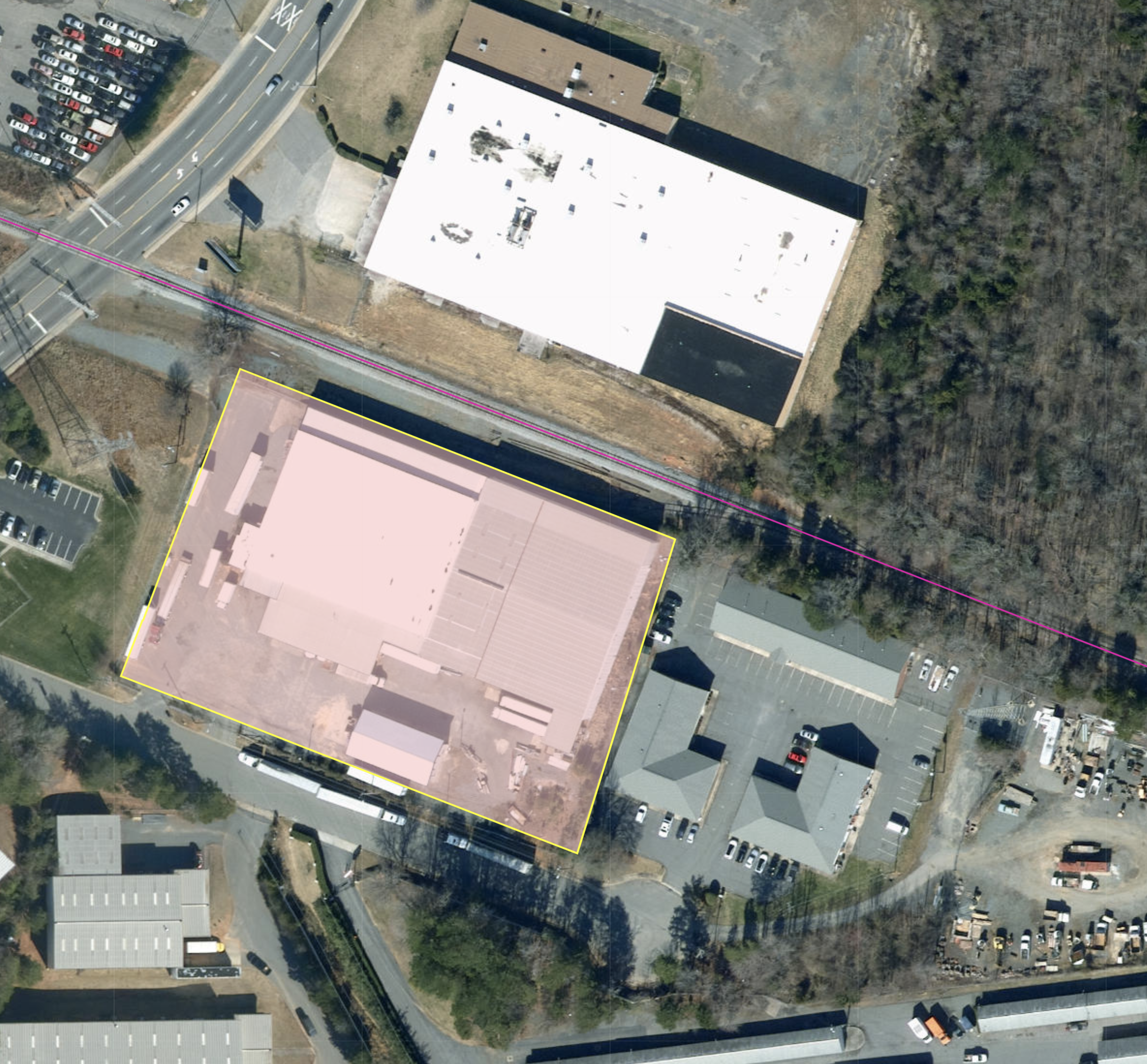
Wallace Business Park
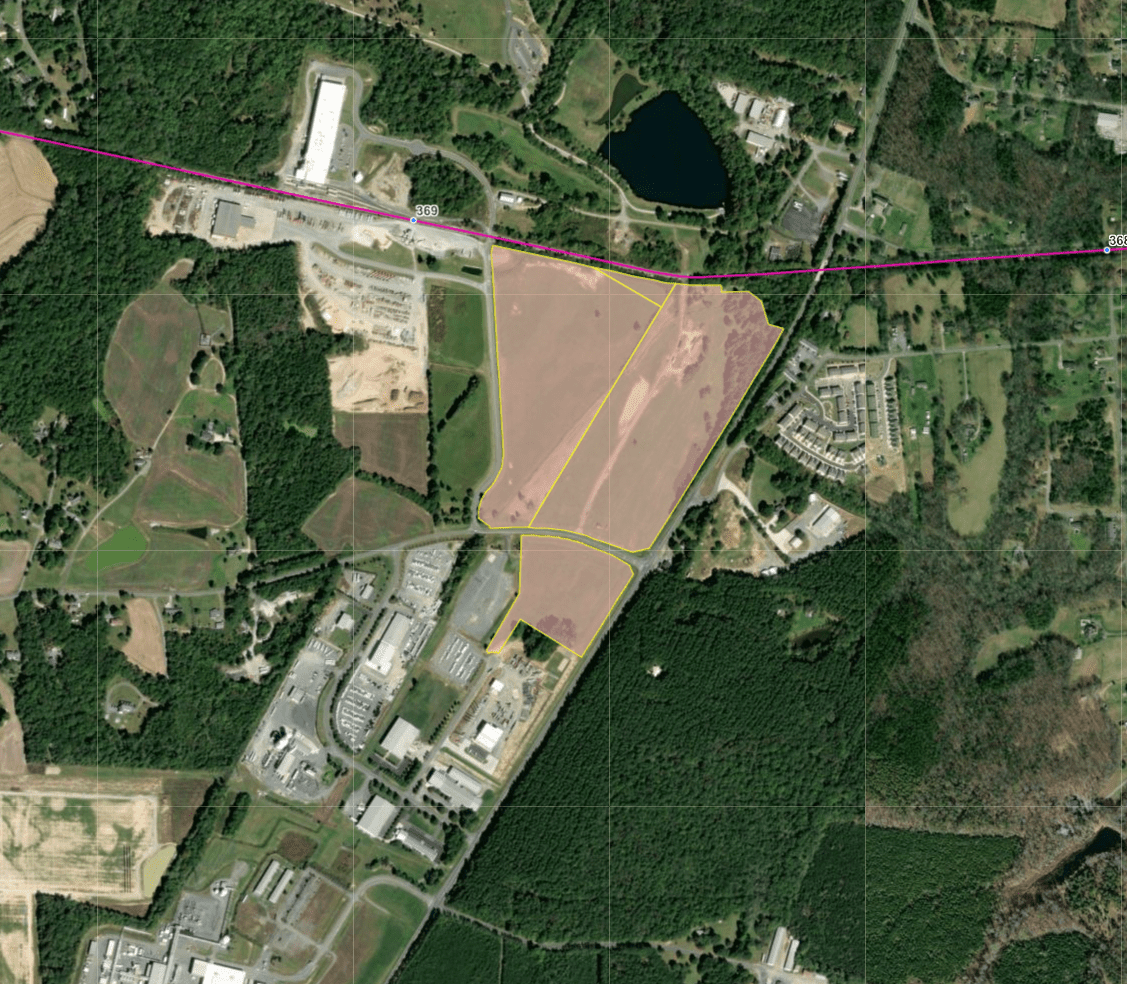
Midland West
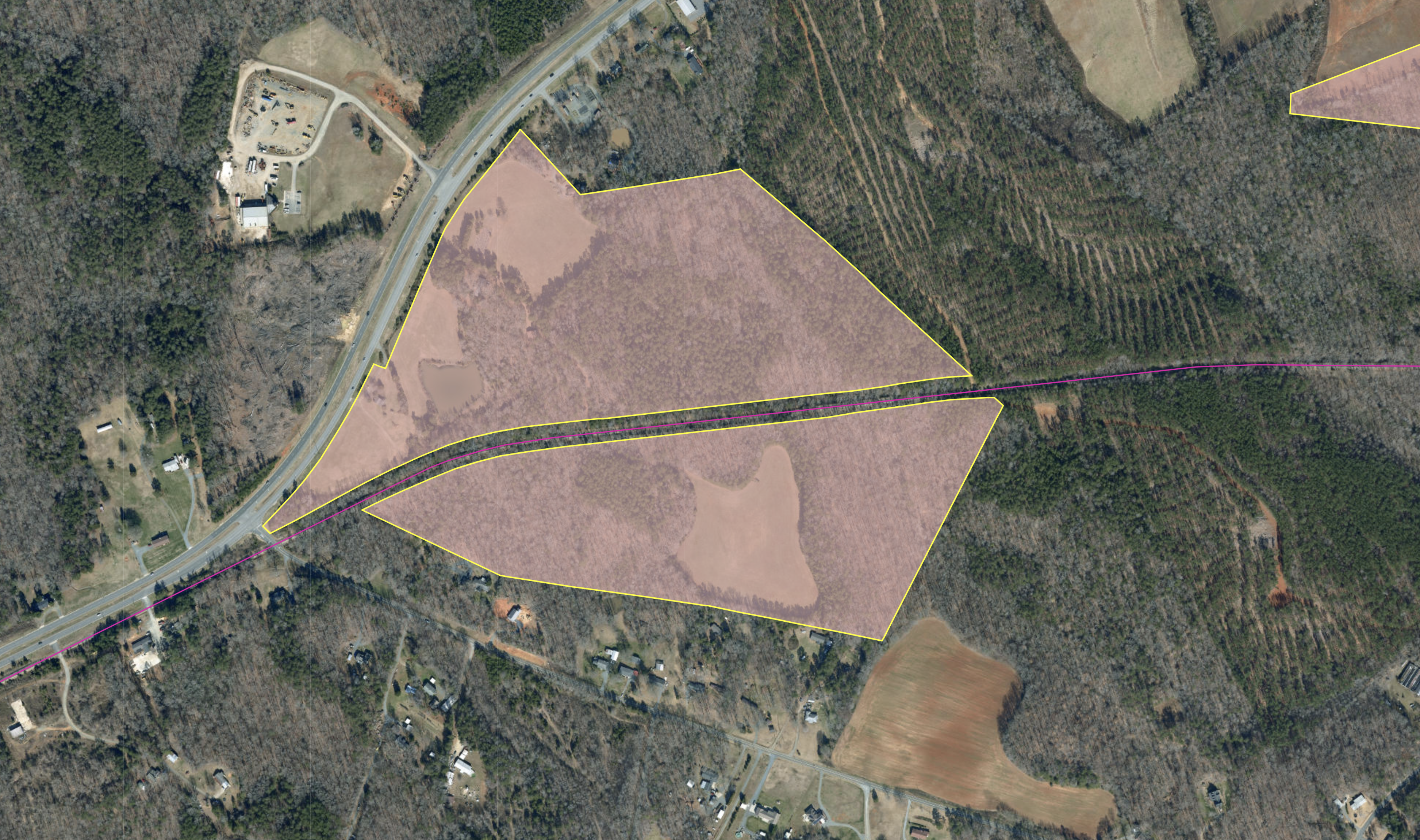
Mint Hill
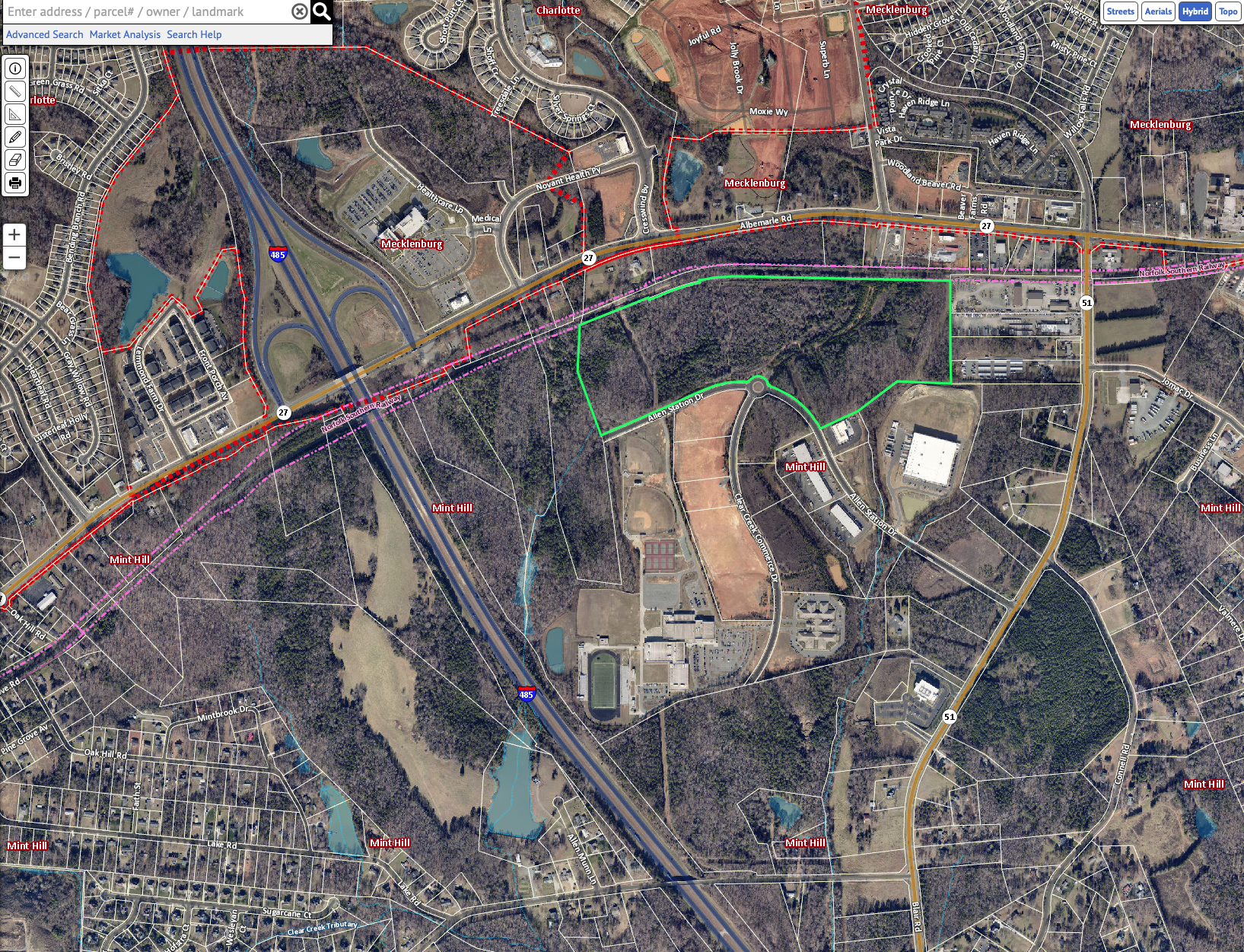
Amity Court
ACWR 600 Roamer
–>
ACWR 800270 San Marino
–>
ACWR 150 Mission Santa Ynez
ACWR 7014 Pinehurst
–>
ACWR 200 Union Pacific Dome
ACWR 901 Baggage Car
ACWR 401 Patio Car
–>
ACWR 402 Canopy Car
–>
Midland Transload
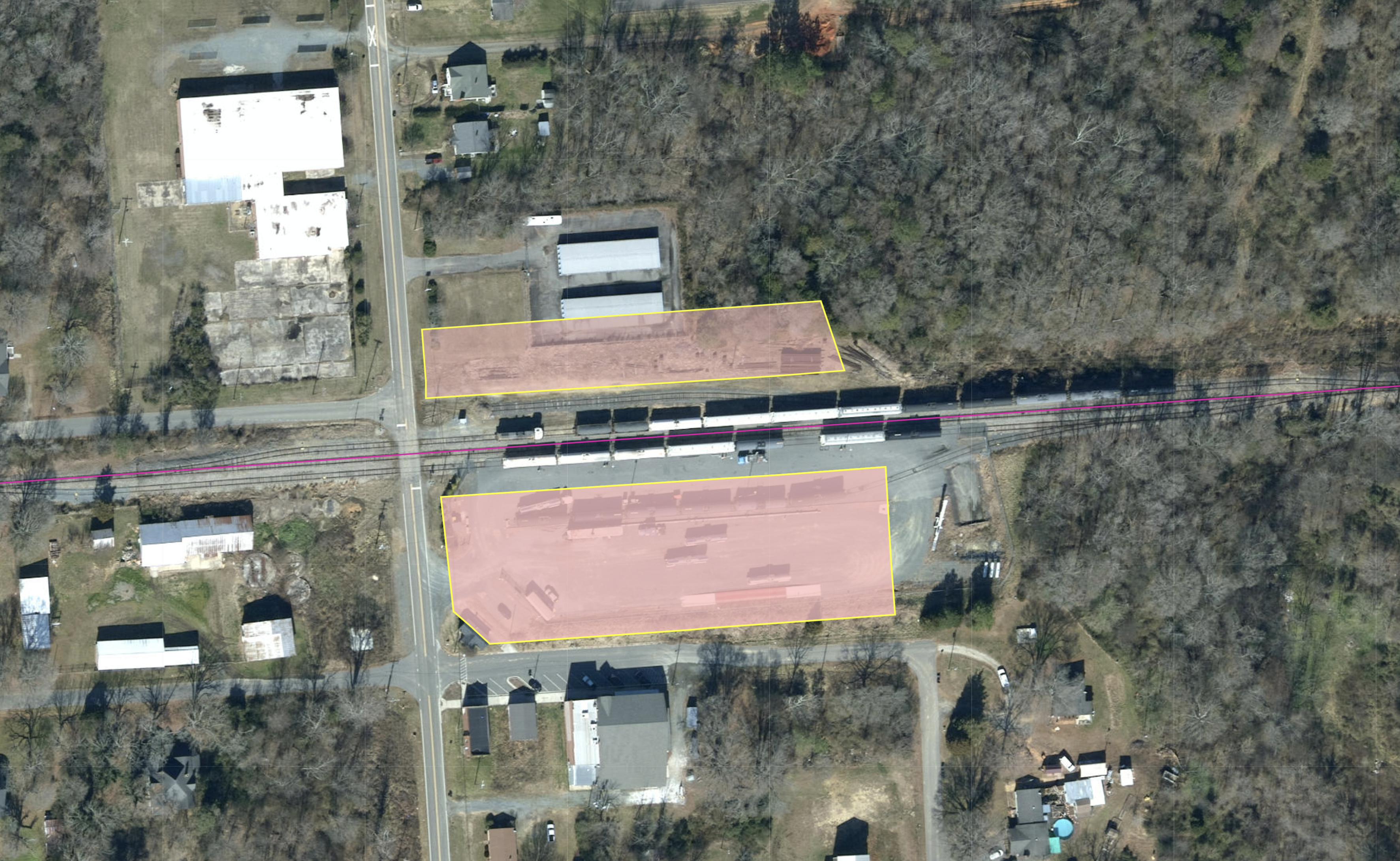

Midland Transload Address: 13705-13779 Broadway Ave, Midland, NC 28107

Access NC Site Search / NCEDIS
Formerly the North Carolina Economic Development Intelligence System (NCEDIS), Access NC is a database put together by the NC Department of Commerce under the new Thrive NC initiative. It contains detailed information and maps about various industrial sites and buildings along with key utility, environmental permitting, demographic, and pricing information. Please contact Russ Smitley if you need assistance with a project that needs rail service.
Please click here for the Access NC site.
Charlotte Mecklenburg Economic Development Office
Cabarrus County Economic Development Corporation
Chatham County Economic Development Corporation
Stanly County Economic Development Commission
Montgomery County Economic Development Corporation
Moore County Chamber of Commerce
Moore County Partners in Progress
NC State University
Progress Energy
Duke Energy Carolinas
Research Triangle Partnership
North Carolina’s Southeast Partnership
Charlotte Regional Partnership
North Carolina Department of Commerce
Advantages of Rail and Truck
When does Trucking Make Sense?
Transporting freight by truck is the quickest and most reliable for shippers because a driver stays with a load from origin to destination. Many companies that have time sensitive freight rely on trucks to get their goods from point A to B. Furthermore, manufacturing companies that focus on just in time principles (JIT) and lean manufacturing often use truck transportation because shorter leadtimes and less leadtime variation reduces safety stock inventory and working capital. While trucks are critical for most companies in America, rail transportation is once again becoming an important component of freight transport.
When does Rail Freight Transportation Make Sense?
Shippers who have large volumes of freight that must travel over long distances depend on railroads to deliver their goods and materials. This is because railroads are the most efficient form of land transportation. One railcar can hold the equivalent of roughly four truck loads. Additionally, one train can haul the equivalent of over 400 trucks. In order to move 400 trucks on the road, it would require 400 drivers compared to the two engineers that could run one train. With rising fuel costs and the shortages of trucks and drivers in America, rail is used by more and more companies today.
Some Shippers Benefit more From Both Rail and Truck
Some industries do not have the luxury of a railroad spur in their facility. Thus, they often result to transloading or intermodal service. Bulk transloading is the transfer of dry or liquid materials from rail to truck and vice versa. Intermodal is a similar process for goods that are in cargo containers. These methods take advantage of both rail and truck.
Why Choose RailVantage Industrial Sites & Logistics Centers?
- Location. Location. Location.
- Major Interstate + Rail Access = access to both rail and truck
- Competitive rail transport pricing through partnerships with both CSX + Norfolk Southern
- Outstanding Connections to resources and markets—Charlotte is home to more than 100 distribution centers and centers of manufacturing
- Access to quality Higher Education, Community Colleges, and Workforce Training Program
- Low Cost of Living
- High Quality of Life (Access to a large variety of cultural, recreational, and community activities
- Specialized industrial zoning
- Skilled + motivated workforce (NC ranked fourth, SC ranked fifth among “States with Best Workforce Training Programs” by Expansion Management magazine)
RailVantage Logistics Centers represent a unique opportunity as major logistics hubs serving both the North Carolina market, and the Mid-Atlantic region.
The industrial zoning for RailVantage Logistics Centers allows for a diverse range of warehousing, logistical operations, manufacturing and service industries
RailVantage Logistics Centers are an exclusively rail centric industrial development focused on attracting a varied mix of industrial-related enterprises. With approximately 100 by-right business industry classifications industrial uses certified for the site, we can accommodate your needs. Located in a key geographic region, RailVantage Logistics Centers will provide competitive services for companies needing regional rail services and connections to both Norfolk Southern and CSX.
Importance of Interchange Capacity
What is a railroad interchange?
Most freight shipments via rail involve more than one rail carrier. Freight is exchanged at a location called the interchange. See the example below:
Does The Interchange Meet Your Freight Requirements?
[dropcap cap=”1″]Carload Capacity: If a potential rail customer is planning on shipping 90 car unit trains, routing through an interchange that only holds 50 is a serious limitation. [/dropcap] [dropcap cap=”2″]Days of Service: If a potential rail shipper needs 7 days of service, this is an important factor to know, as some interchanges only receive service a couple days a week. [/dropcap] [dropcap cap=”3″]286,000 Pound Limit: Some rail locations are not equipped to handle today’s larger railcars, which weigh up to 286,000 pounds. This can also be a limiting factor at the interchange.[/dropcap]
Other Important Things To Note
[dropcap cap=”1″]Are They Captive?You need to know how many interchanges you have access to. In other words, how many different routes can you source or receive freight. If your facility is located on a regional railroad, it is important to know whether it connects to to multiple Class I rail carriers. Having multiple connections ensures the most competitive pricing and service.[/dropcap] [dropcap cap=”2″]Multiple Interchanges: Having a single interchange not only reduces competition, but it also increases the risk during a natural disaster. For example, a bridge washes out, and your freight must come from a single interchange. This could put your facility out of service for months.[/dropcap]
Benefits of a Unit Train vs Single Car Service
A unit train is a freight train carrying the same type of commodity, from origin to destination. Depending on the railroad and location, they can be between 65 cars in length and 200 cars (or more). The locomotives pulling the train will usually stay connected from origin to destination, which is why you will find a locomotive from one railroad on another railroad. This keeps the train running efficiently, which is why unit trains are the most efficient form of land transportation.
What Can Move By Rail?
Construction Products
- lumber
- steel
- aggregate
- brick
- cement
Forest Products
- paper
- woodchips
- pulpwood
Chemicals
- butane
- ethanol
- natural gas
- propane
Special Cargo
- automobiles
- tractors
- jet engines
- wind turbines
Municipal Solid Waste
- waste taken to large landfills
- waste to energy
Food and Feed Products
- corn
- DDGs
- refrigerated products
- soybean
- bakery meal
Frontier Logistics
Frontier Logistics, LP, provides diverse and complete supply chain management services and solutions including packaging and warehousing services, U.S. interstate bulk trucking transportation, logistics consultation, and border crossing services. They are a top-tier domestic distribution services supplier for the plastics industry.
McDonald Brothers
McDonald Brothers supplies lumber in the Central Carolina market, and has access to both Norfolk Southern and CSX railways.
Cotton Creek
Jordan Lumber manufactures woodchips at its cotton creek facility. It is a rail served facility with access to both Norfolk Southern and CSX with close proximity to the port of Wilmington, Charleston, Savannah, Norfolk, and Morehead City.
Jordan Lumber
Jordan Lumber manufactures and supplies lumber at its location in Mt. Gilead, North Carolina. Jordan is one of the largest prvately owned lumber companies in the country, and It’s state of the art facility is rail served with access to both Norfolk Southern and CSX with close proximity to the port of Wilmington, Charleston, Savannah, Norfolk, and Morehead City.
Perdue Farms
Perdue Farms produces chickens at its farm houses in Central North Carolina. It receives its feed ingredients from the Aberdeen Carolina & Western railway, which connects to both Norfolk Southern and CSX railroads.
Mountaire Farms
Mountaire Farms produces chickens at it’s Candor location in Central North Carolina. Mountaire’s feed mill is the largest in America. It receives its feed ingredients from the Aberdeen Carolina & Western railway, which connects to both Norfolk Southern and CSX railroads.
Locust Lumber
Locust Lumber supplies the Charlotte market with a variety of forest products. They receive rail service from the Aberdeen Carolina & Western Railway, which provides access to both Norfolk Southern and CSX origins.
Carolina Stalite
Carolina Stalite manufactures a specialized aggregate that is high quality, high strength, low absorption, and light weight. They receive rail service from the Aberdeen Carolina & Western Railway, which provides access to both Norfolk Southern and CSX destinations.
Boral Brick
Boral Brick, distributes brick and other masonry products to markets in North Carolina. They are the largest manufacturer of brick in the nation. They receive inbound products from the Aberdeen Carolina & Western Railway in Charlotte, which provides access to both Norfolk Southern and CSX origins.
Unilin
Unilin manufactures wood chipboards, flax board, MDF (Medium Density Fibreboard), and HDF (High Density Fibreboard). They are rail served by the Aberdeen Carolina & Western Railway, which provides access to both Norfolk Southern and CSX destinations.
Finding a Rail Served Industrial Site
There are many databases that can assist you in finding a rail served industrial site. Generally each state has its own database of sites with the various acreage, utility, environmental permitting, and pricing information. Additionally, railroads keep a list of their own properties. Please contact Russ Smitley if you need assistance with a project that involves rail.
Access NC (Formerly NCEDIS)
Sites and Buildings database collected by the North Carolina Department of Commerce. It is part of the Thrive NC program to give new or expanding businesses the ability to search for properties that may suit their needs.
CSX & Norfolk Southern Norwood Interchange
| Carload Capacity | 100 cars |
|---|---|
| Days of Service | Daily (7 day) service if needed, normally 3 day service |
| Connecting Railroads | CSX Transportation, Norfolk Southern |
| 286,000 pound limit? | Yes |
| Unit Trains? | Yes |
CSX Aberdeen Interchange
| Carload Capacity | 300 cars |
|---|---|
| Days of Service | 7 day service if needed normally 6 day service |
| Connecting Railroads | CSX Transportation Aberdeen & Rockfish |
| 286,000 pound limit? | Yes |
| Unit Trains? | Yes |
Norfolk Southern Charlotte Interchange
| Carload Capacity | 150 cars |
|---|---|
| Days of Service | Daily (7 day) service if needed, normally 3 day service |
| Connecting Railroads | Norfolk Southern |
| 286,000 pound limit? | |
| Unit Trains? | Yes |
Outside

Location
Inside

Locomotive Leasing Services
Pipelines
Application
Download: Application for Pipelines Occupying the Aberdeen Carolina & Western Railway
Specifications
Download: Specifications for Pipeline Occupations of Railroad Property
Wirelines
Application
Download: Application For Wire Or Cable Lines Occupying The Aberdeen Carolina & Western Railway
Specifications
Download: Specifications for Wire, Conduit and Cable Occupations of Railroad Property
Land Lease
Download the Lease Form: Application for Lease of Lands of the Aberdeen Carolina and Western Railway
Road Crossings
Signs & Billboards
Locomotive Testing
Locomotive & Railcar Consulting
Locomotive Leasing
Locomotive Prime Mover Diagnostics & Repair
Locomotive Traction Motor Repair & Replacement
Locomotive Remote Control Installation
Locomotive Wheel Truing
Signal Installation
Routine Locomotive Servicing
Locomotive & Railcar Field Service & Repair
Case Study: Locomotive Rewire Project
Contact us to discuss your repair needs.
Locomotive Fuel Saving Technology Installation
Locomotive Emission Upgrades
Locomotive Engine Rebuild
Locomotive & Railcar Air Brake Repairs
Locomotive & Railcar FRA Inspections
Locomotive Rewiring
Locomotive & Railcar Painting
Locomotive Wreck Repairs
Site Preparation
Site Permitting
Industrial Site Selection
We help potential customers find the right rail served industrial site that meets their requirement. Whether they are looking to be in the Charlotte region or the center part of North Carolina, we can help you develop your site. Many of our sites are shovel ready. Contact Carl Hollowell for more information.
Track & Siding Construction
We have the ability to construct and maintain a rail siding for our customers.
Railcar Switching
For industrial customers who do not have the personnel or equipment to move railcars at their plant operations, we will provide the service of pulling and spotting the railcars. This involves using our employees and our locomotives to get a train loaded or unloaded at a facility. For customers with their own locomotive and personnel, we do provide regular locomotive maintenance.
Railcar Storage
If you are needing a place to store railcars, we have storage locations along our railroad
Transloading
The Aberdeen Carolina & Western Railway Company offers railcar transloading services for those looking to set up a rail distribution center in North Carolina. We have strategic partnerships with trucking companies for transloading from rail to truck/truck to rail and getting your freight where it needs to be. Transloading involves moving liquid and dry bulk commodities from one mode to the other, yielding the efficiency of rail for the long-haul and truck for the short-haul.
Freight Transportation Services
We move freight for over 23 customers along our railroad. We work around the clock 24/7 to make sure our customers get the freight service they need.
For industrial customers who do not have the personnel or equipment to move railcars at their plant operations, we will provide the service of pulling and spotting the railcars. This involves using our employees and our locomotives to get a train loaded or unloaded at a facility. For customers with their own locomotive and personnel, we do provide regular locomotive maintenance.
Will Transloading From Rail To Truck Benefit Me?
Depending on how much and how far away the freight needs to be moved, the transportation costs can be dramatically less than using truck direct for the shipment. Since rail is more efficient over long distances, freight rates are often be lower. The Class I railroads have dozens of facilities across the country designed to move goods from rail to truck. In North Carolina, for example, CSX has TRANSFLOⓇ locations along its network, and Norfolk Southern has various terminals along the east coast. In addition, many shortlines have places capable of transloading from rail to truck. On our railroad, the Aberdeen Carolina & Western Railway, we have moved ethanol, butane, lumber, and other commodities from rail to truck at our established transloading sites in Star, Oakboro, or Midland, NC. We also have sidings where spot transloading can be accommodated. Shippers like using our shortline for transloading because they can source from either Norfolk Southern or CSX. In addition, they like the savings that we bring with less labor and facility costs.
Costs of a Rail Siding
rule of thumb for new track construction is between $1 Million – $2 Million per mile, depending on who is constructing the track. Some rail clients need alot of track space to handle unit trains over a mile long. Below is a basic cost estimate for a mile long siding.
| Price per Unit [-] | # Units [-] | Total Cost [-] | |
| No.10 Degree Switches | $25,000 per switch | 2 switches | $50,000 |
| No.10 Switch Timbers | $6,200 per timber | 2 timbers | $12,400 |
| No.2 Relay 132/136 lb rail | $700 per ton | 245 tons | $171,500 |
| 7″x9′ Ties on 21″ Centers | $55.22 per tie | 3,017 ties | $166,598.74 |
| Ballast (Rock) | $27.00 per ton | 6,000 tons | $162,000.00 |
| Spikes 68 Kegs | $65.00 per keg | 68 kegs | $4,000 |
| Labor |  |
|
Varies by Contractor |
| Grading | |
|
Varies by Contractor/Topography/Soil |
| Drainage Pipes | |
|
Varies by Amt of Water Runoff |
| Road Crossings | |
|
Varies |
Paying for the siding is driven by a combination of state and local funding options, which are in turn a function of jobs, investment, and future taxes. In rare cases, with enough volume (2,000 or more railcars annually), railroads can pay for a portion of the siding construction costs.
Can A Site Be Rail Served?
You can always put a non-rail industry on a rail-served site, but you can’t put an industry that needs rail service on a non-rail site. What are the requirements for a site to be rail served?
[dropcap cap=”1″]Slope: A rail site must be able to overcome the elevation changes between the mainline and unloading pad. The siding must meet the following requirements: [list class=”bullet-check”][li]Single Car Service: siding must have less than a 2.5% slope for single railcar service[/li][li]Unit Train Service: siding must have less than a 1.5% slope for Unit Train Service[/li][/list][/dropcap]{boxfolder 117378336}
[dropcap cap=”2″]Siding Curvature: Trains cannot turn as sharply as trucks. Therefore, the turning radius can be as much as 600 feet for a train compared to 60 feet for a truck. I like to use the ballpark analogy where trucks only need the infield to make a complete turn around while trains need the entire ballpark.[/dropcap] [list class=”bullet-check”][li]Recommended Curvature: less than 10 Degrees[/li][li]Maximum Curvature: curvature over 12 Degrees requires written approval of the Chief Engineer[/li][/list]{boxfolder 109070744}
[dropcap cap=”3″]Track Layouts: Track configuration is driven by freight volume requirements and are also driven by the slope and curvature requirements. Here are the most basic types of configurations: [list class=”bullet-check”][li]Basic Stub-In: this configuration allows cars to be placed and pulled out in one direction only. {boxfolder 108985928}[/li][li]Runaround: Usually parallels the mainline and can accomodate traffic from either direction. {boxfolder 108985912}[/li][li]Loop Track: designed to support continuous movement for faster unloading or large trains.{boxfolder 109056236}[/li][/list] [div class=”doc” class2=”typo-icon”] Costs of a Rail Siding[/div][/dropcap]
[dropcap cap=”4″]Nearby Obstacles: turnouts for rail sidings also cannot be located near:[/dropcap] [list class=”bullet-check”][li]Rail Curves: Siding turnouts cannot be located within 200 feet of a curve[/li][li]Road Crossings: Siding turnouts cannot be located within 200 feet of a road crossing[/li][li]Bridges & Tunnels Siding turnouts cannot be located within 200 feet of a bridge or tunnel.[/li][li]Another Turnout: Siding turnouts cannot be located within 200 feet of another turnout.[/li][/list]
Freight Rail Map of Class I Carriers in North America
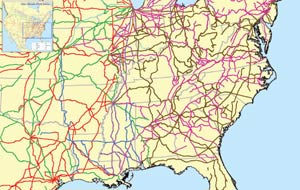
This is an interactive map of the major freight railroads, also known as class I railroads in the United States. They include CSX, Norfolk Southern (NS), Burlington Northern and Santa Fe (BNSF), Union Pacific (UP), Canadian Pacific (CP), Canadian National Railway (CN), and the Kansas City Southern (KCS).
BNSF Map
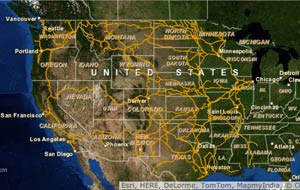
This is an interactive system map of the Burlington Northern Santa Fe (BNSF) Railway, a class I rail carrier along the western half of the United States. It shows transportation routes spanning over 32,000 miles.
Continue reading “BNSF Map”Union Pacific Map
This is an interactive system map of the Union Pacific (UP) Railroad, a class I rail carrier along the western half of the United States. It shows transportation routes spanning over 31,900 miles.
Canadian National Map
Canadian Pacific Map
Kansas City Southern Map
North Carolina Rail Map
create north carolina rail map to insert here
This is an interactive map of North Carolina railroads, including the Aberdeen Carolina & Western in magenta, CSX in blue, and Norfolk Southern in gray. It shows a radius of 250 miles, which encompasses almost 6 million people. Read more about NC as a rail distribution center.
Norfolk Southern Map
CSX Map
Stanly County Incentives
Stanly County Incentives
Montgomery County Incentives
incentives for montgomery county through the Montgomery County EDC
Biotech Financing
Biotechnology Financing and Assistance for New or Expanding Businesses in North Carolina
Industrial Revenue Bonds
Industrial Revenue Bonds for New and Expanding Businesses in North Carolina
NC Foreign Trade Zones
Foreign Trade Zones in North Carolina
IDF Infrastructure Fund
Industrial Development Fund in North Carolina for Infrastructure in Economically Distressed Tier I/Tier II Counties